How to use midday meditation to beat the afternoon slump
Feeling foggy by noon? Discover how midday meditation can help you refocus, release stress, and find clarity. Plus, 11 ways to meditate at your desk, in the car, or at lunch.
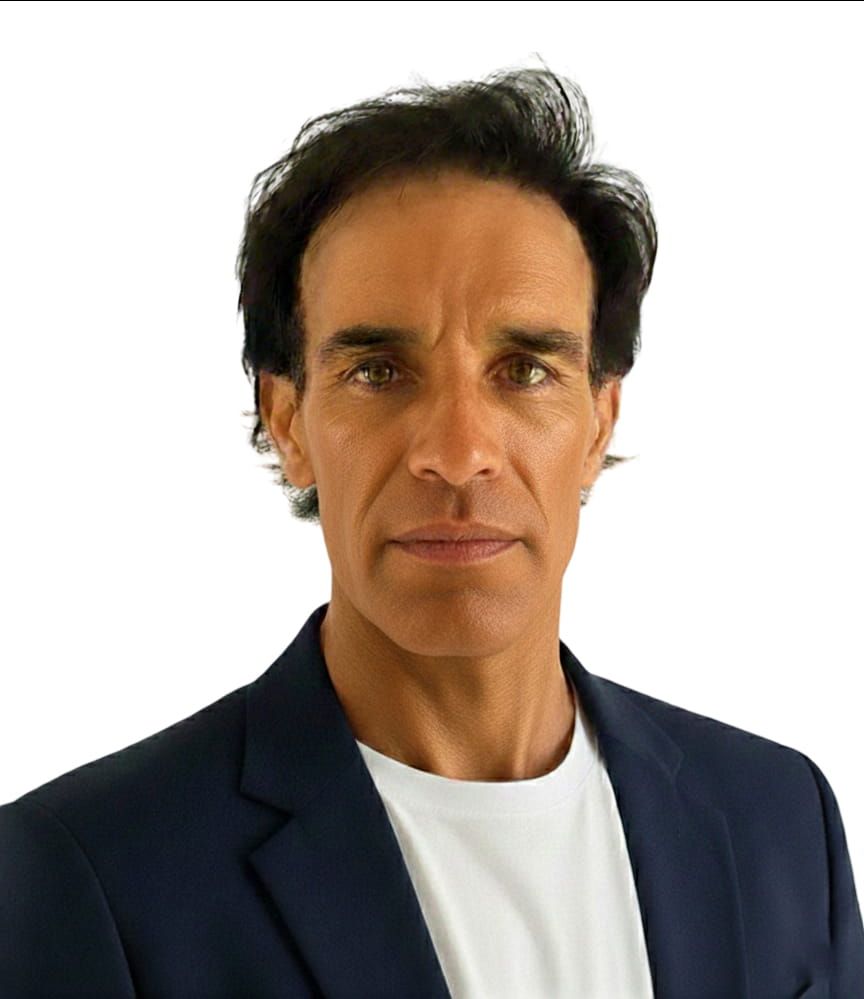
Vítor Bertocchini - Psicólogo Clínico e da Saúde, Ph.D.
Are you familiar with the midday slump? Your tasks start to take longer, you’re making small mistakes, and focus is a thing of the past. Before you judge yourself too harshly, consider that this isn’t a motivation problem, but a normal dip in cognitive energy linked to your circadian rhythm. Which makes it the perfect time for a little boost… of meditation.
Midday meditation can be a short pause, or an intentional break during the workday to steady your attention and reduce stress. These practices are designed to fit into your day without changing your environment or stepping away for too long.

Curso de Mindfulness
Níveis 1, 2 e 3
Este curso de Mindfulness em 3 níveis ajudará, passo a passo, a iniciar e a manter uma prática de meditação sustentável, colhendo todos os benefícios.
Luckily, you don’t need ideal conditions or a long session for it to be useful. We’ll explore why these

midday practices can be so helpful and how you can try them for yourself.

Psicologia Clínica / Mindfulness
Oferecemos opções abrangentes de tratamento e prevenção de saúde mental online e presencial para atender às suas necessidades. Com uma forte ênfase na Psicologia em combinação com a abordagem Mindfulness.
What is a midday meditation?
A midday meditation is a brief pause during the middle of the day to help your mind and body settle. It’s usually short—anywhere from 30 seconds to a few minutes—and it doesn’t follow one fixed format. You can practice it at your desk, during a break, or in between tasks (or even in a meditation pod, if your office has one).
The point of a midday meditation is simple: you create a small moment of regulation when your system is most taxed. This can be 60 seconds of slow breathing, a three-minute guided practice, or a brief body check-in to notice where tension has settled. These techniques can interrupt stress and help your nervous system reset.
Why is the middle of the day the perfect time to reset?
- The middle of the day is a natural turning point in your body’s rhythm. Your circadian cycle dips in alertness in the early afternoon, making concentration more difficult. This drop is part of the body’s way of conserving energy.
- Midday is also when your morning workload catches up to you. Hours of decision-making, multitasking, and social interaction can add up and lead to a sense of mental overload. Physical tension can show up around this time, too, such as tight shoulders, a stiff neck, or shallow breathing.
Together, these changes make midday a practical time to pause. Even a brief break can help reduce strain and support steadier focus for the rest of the afternoon.
Can mindfulness really help with a fear of heights?
Mindfulness helps by pulling your attention away from imagined danger and back into your body and the present moment.
Height-related anxiety often builds through spiraling thoughts and physical sensations that make you feel unsteady, and mindfulness techniques—like grounding, slow breathing, and sensory focus—interrupt that cycle. While it isn’t a standalone cure, it works well alongside gradual exposure and can make sudden spikes of fear much easier to manage.
How long does it take to overcome a fear of heights?
There’s no set timeline. Some people notice small improvements after a few weeks of gentle exposure and grounding techniques, while others need several months, especially if the fear has been around for years. Progress depends on how often you practice, how strong the fear is, and whether you’re working with a therapist. The most important part is taking small steps at a pace your nervous system can handle rather than pushing yourself into panic.
Is a fear of heights genetic?
Genetics can influence how sensitive your nervous system is to potential threats, which may make you more likely to develop a phobia like acrophobia. It doesn’t mean the fear is guaranteed, just that your stress response or alert system might be more reactive. Your environment, experiences, and overall stress levels shape the rest.
When should you seek professional help for acrophobia?
It’s worth reaching out for support if your fear of heights starts getting in the way of daily life — avoiding certain jobs, skipping travel, or feeling panicky in routine situations like escalators or stairwells. You don’t need to wait until it becomes unmanageable.
A therapist can help you understand what’s driving the fear and guide you through exposure in a safe, steady way. Even a few sessions can make height-related situations feel far less overwhelming.
Curso de Mindfulness
Níveis 1, 2 e 3
Este curso de Mindfulness em 3 níveis ajudará, passo a passo, a iniciar e a manter uma prática de meditação sustentável, colhendo todos os benefícios.
Related read: How to use meditation for productivity and improved focus